Growing Winter Squash in Wyoming
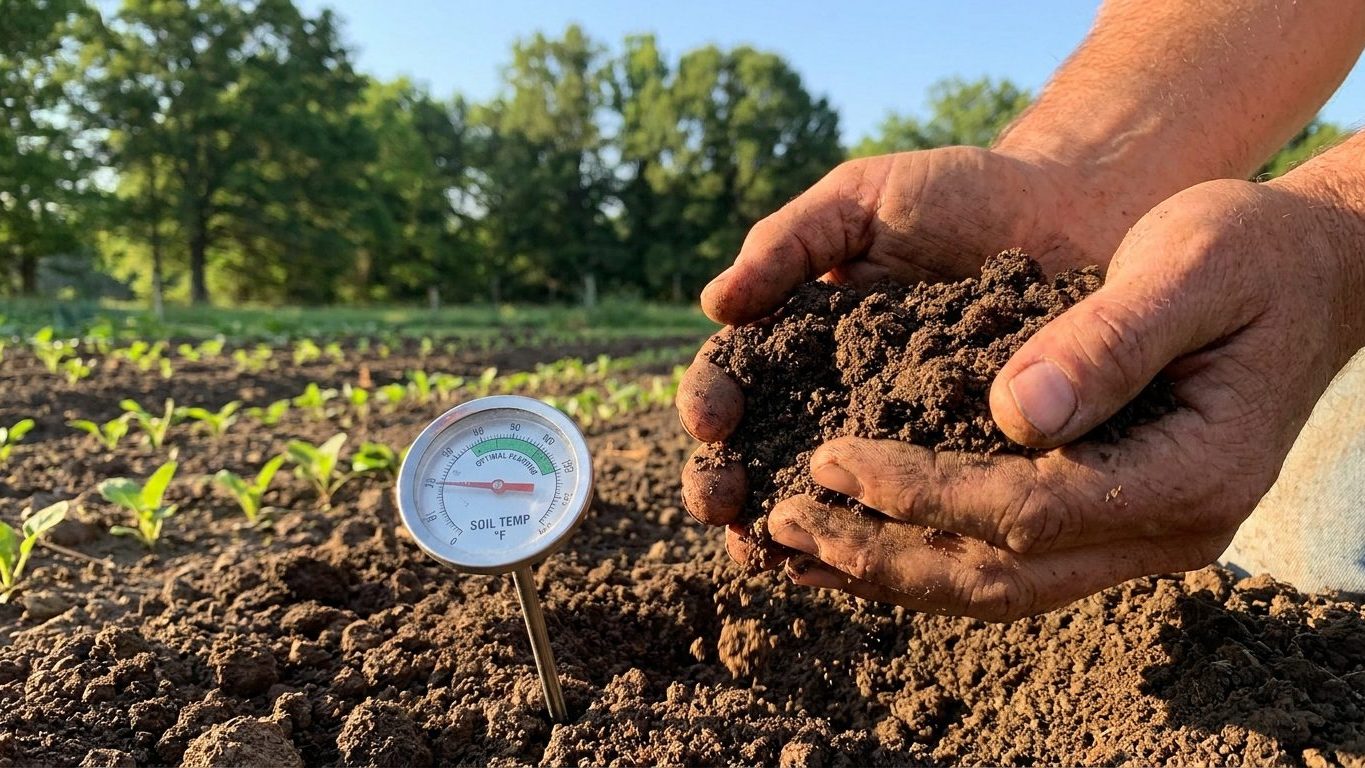
Winter squash needs warm soil, not just a frost-free date, and Wyoming’s high-elevation climate means that warmth arrives late and leaves early.
Home & garden, state by state
Winter squash needs warm soil, not just a frost-free date, and Wyoming’s high-elevation climate means that warmth arrives late and leaves early.
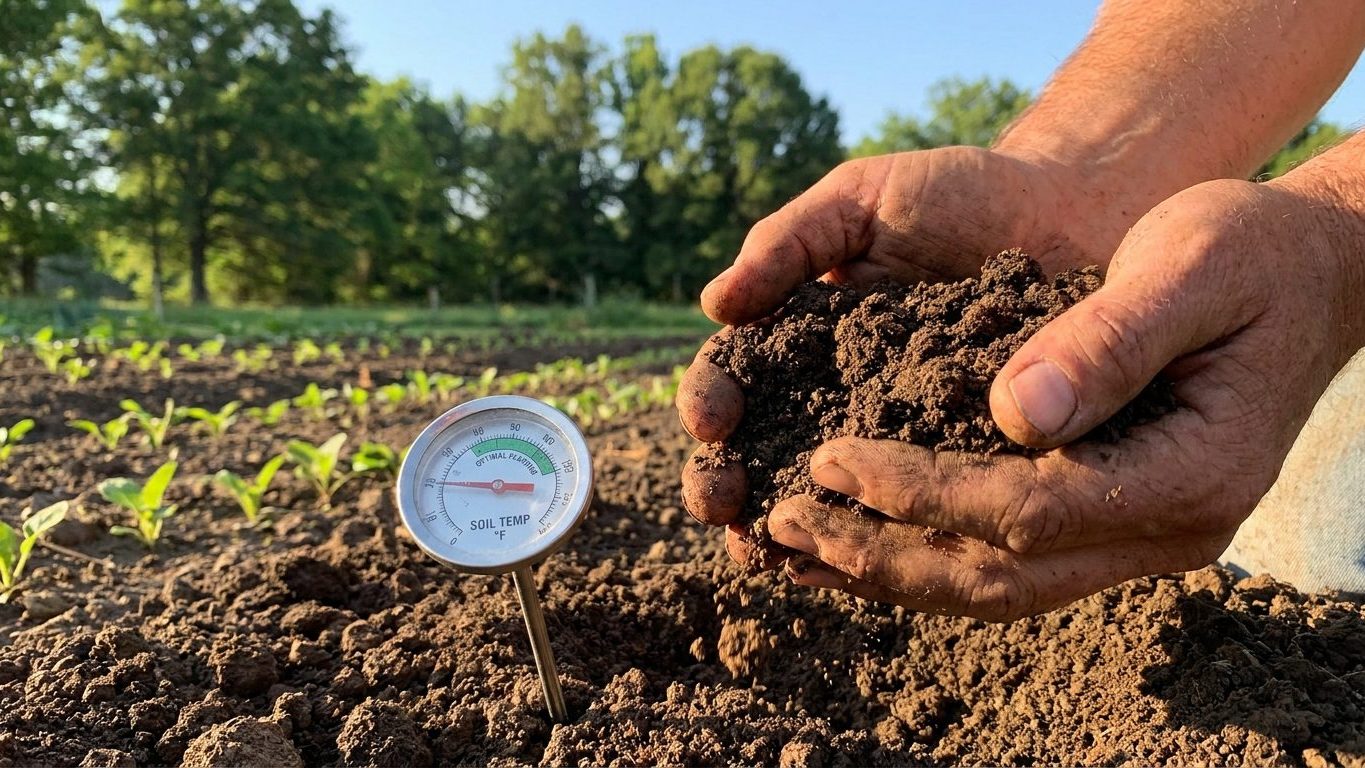
Winter squash in Wisconsin goes into the ground once soil temperatures climb reliably above 60°F, typically in late May to early June across most of the…
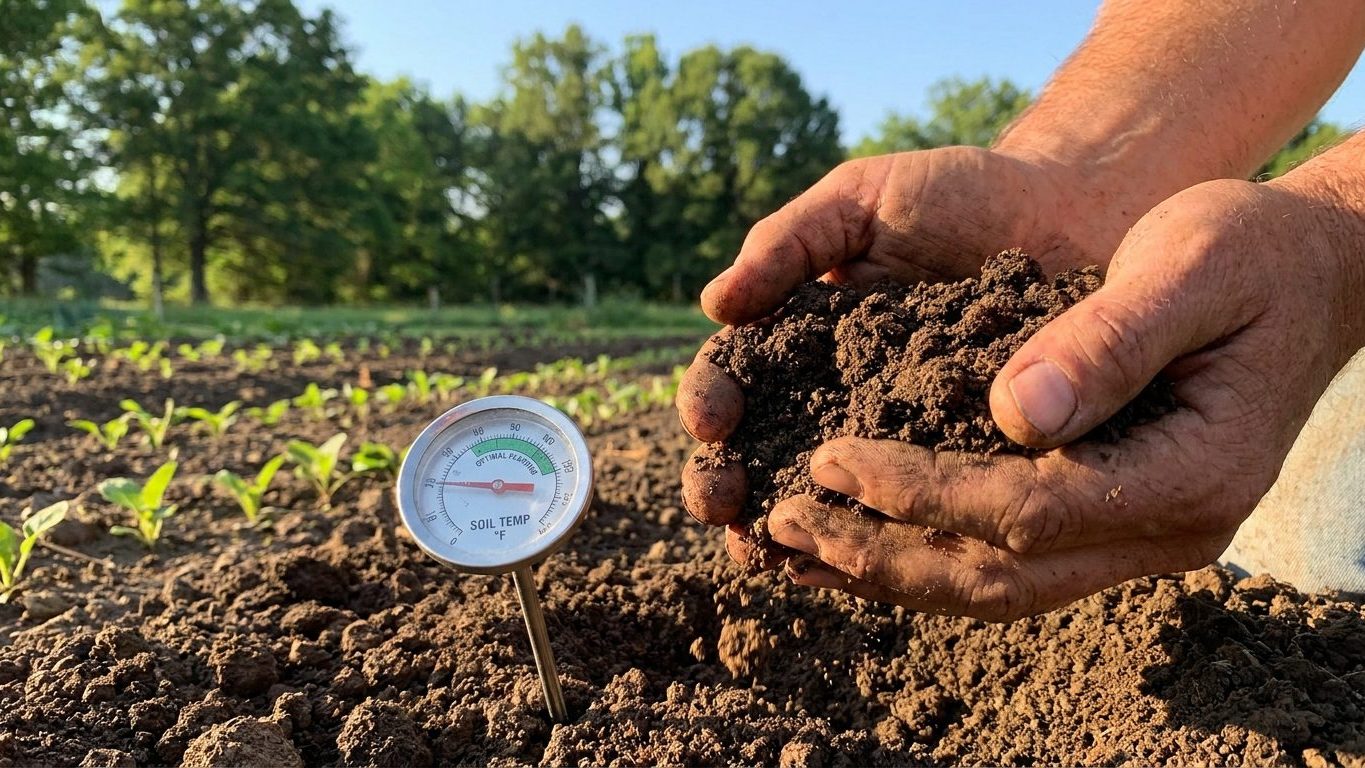
West Virginia gardeners can start winter squash outdoors once the soil has warmed past 60°F, generally through the second half of May at lower elevations…
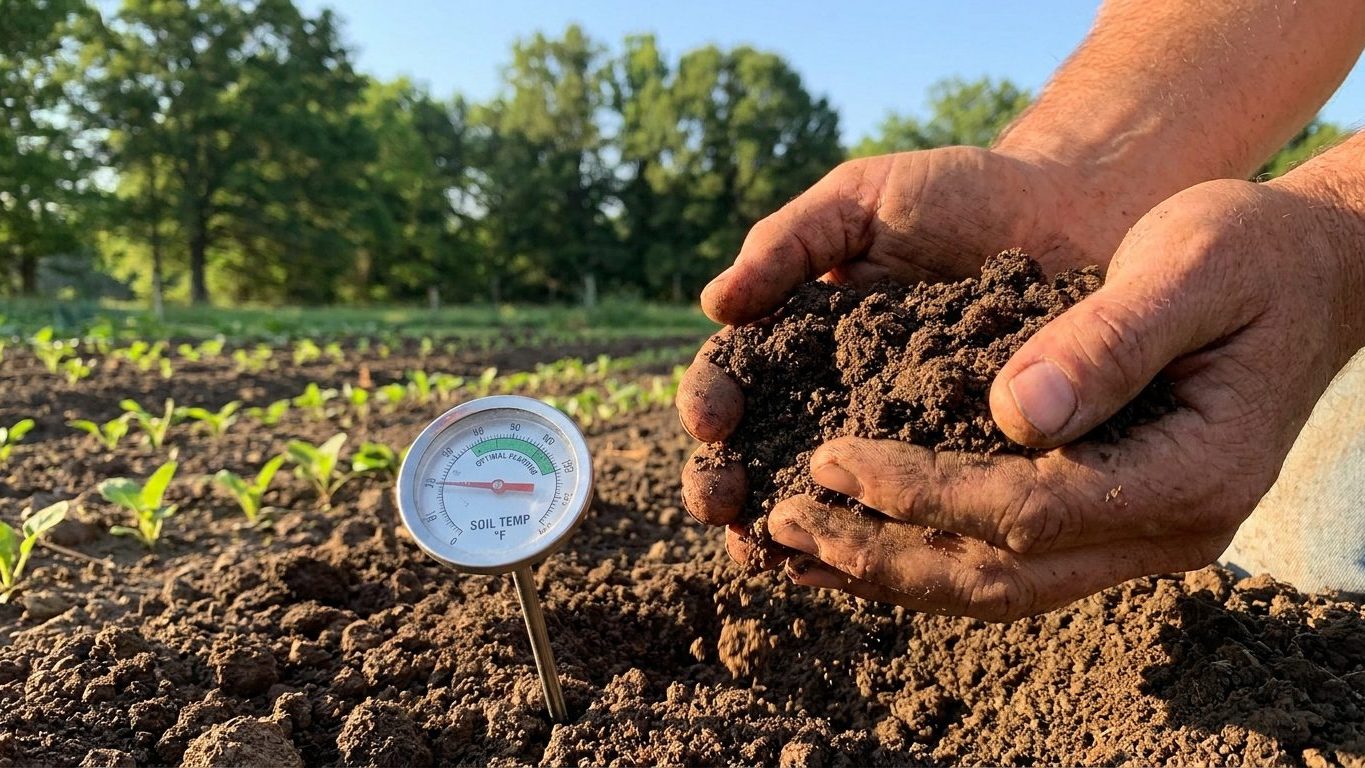
Winter squash in Washington splits into two very different growing realities: a long, cool, damp season west of the Cascades and a shorter, hotter, drier…
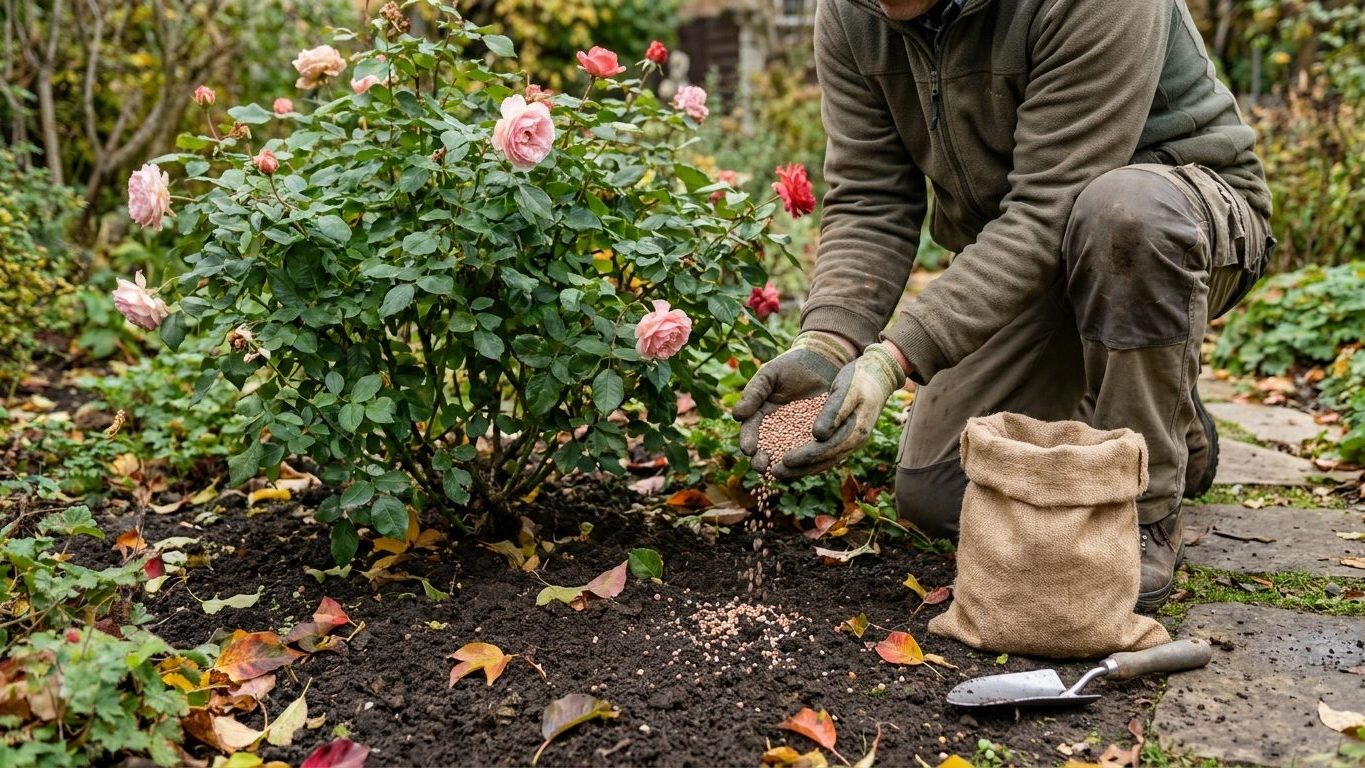
Feeding roses means supplying nitrogen for foliage, phosphorus for root and bud development, and potassium for stem strength and bloom quality, on a…
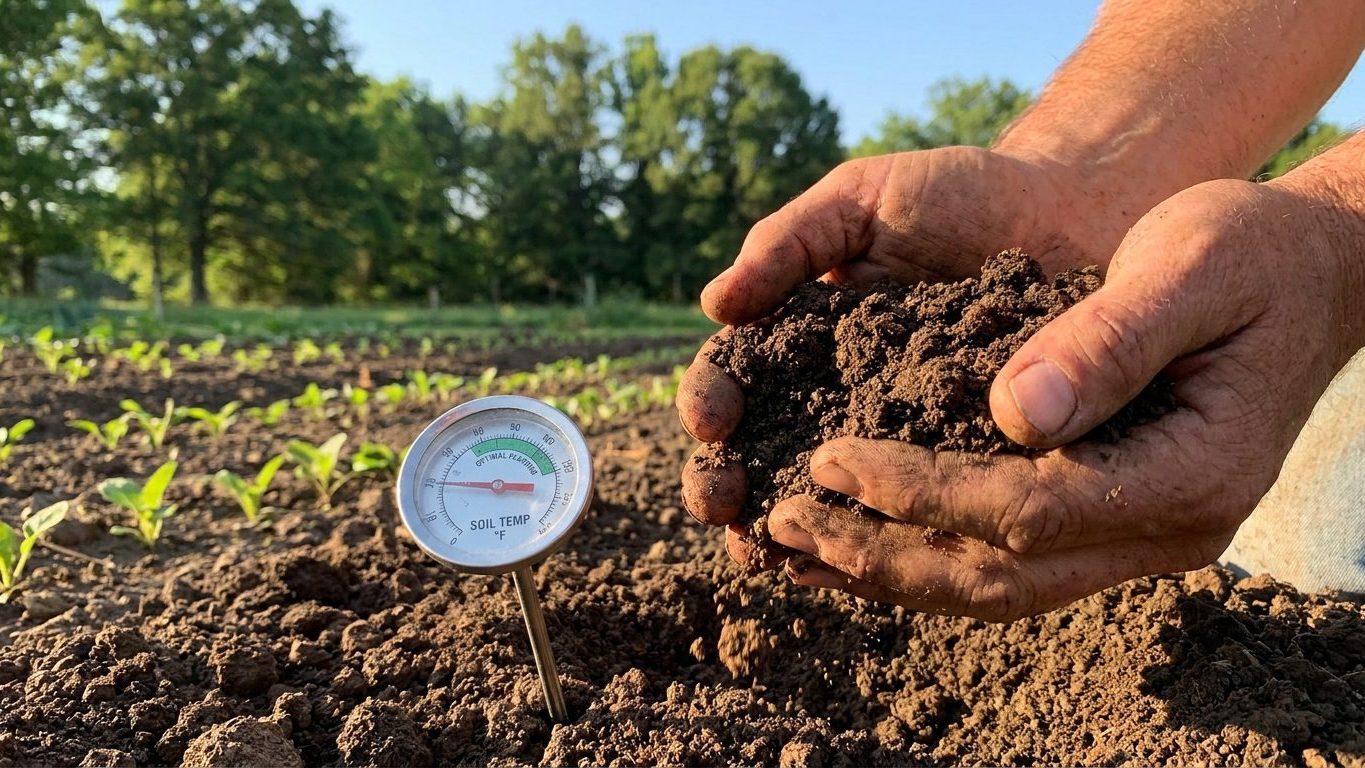
Winter squash goes into Virginia ground once the soil has warmed past the last frost risk, typically late April through May depending on where you garden…
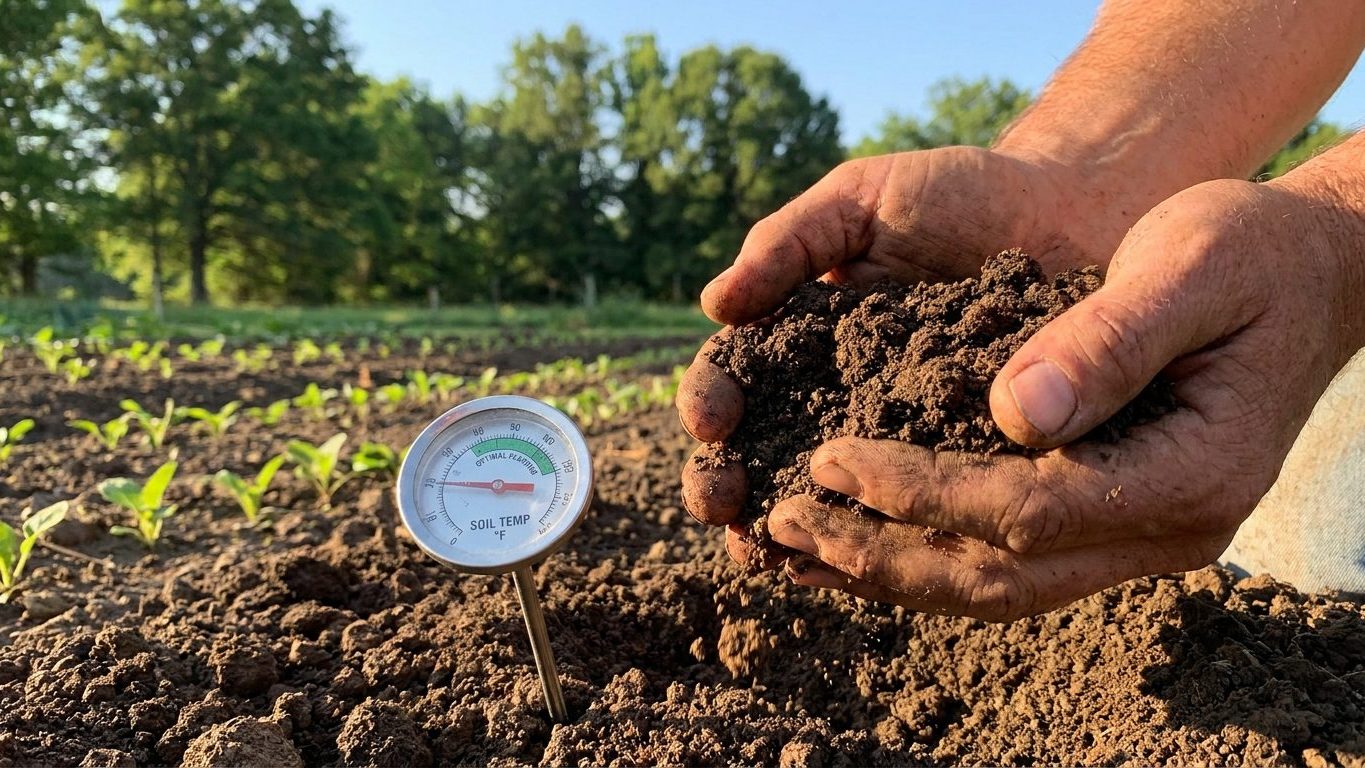
Winter squash in Vermont waits on the soil, not the calendar. Most gardeners can plant safely from mid-to-late May onward, later in the higher valleys…
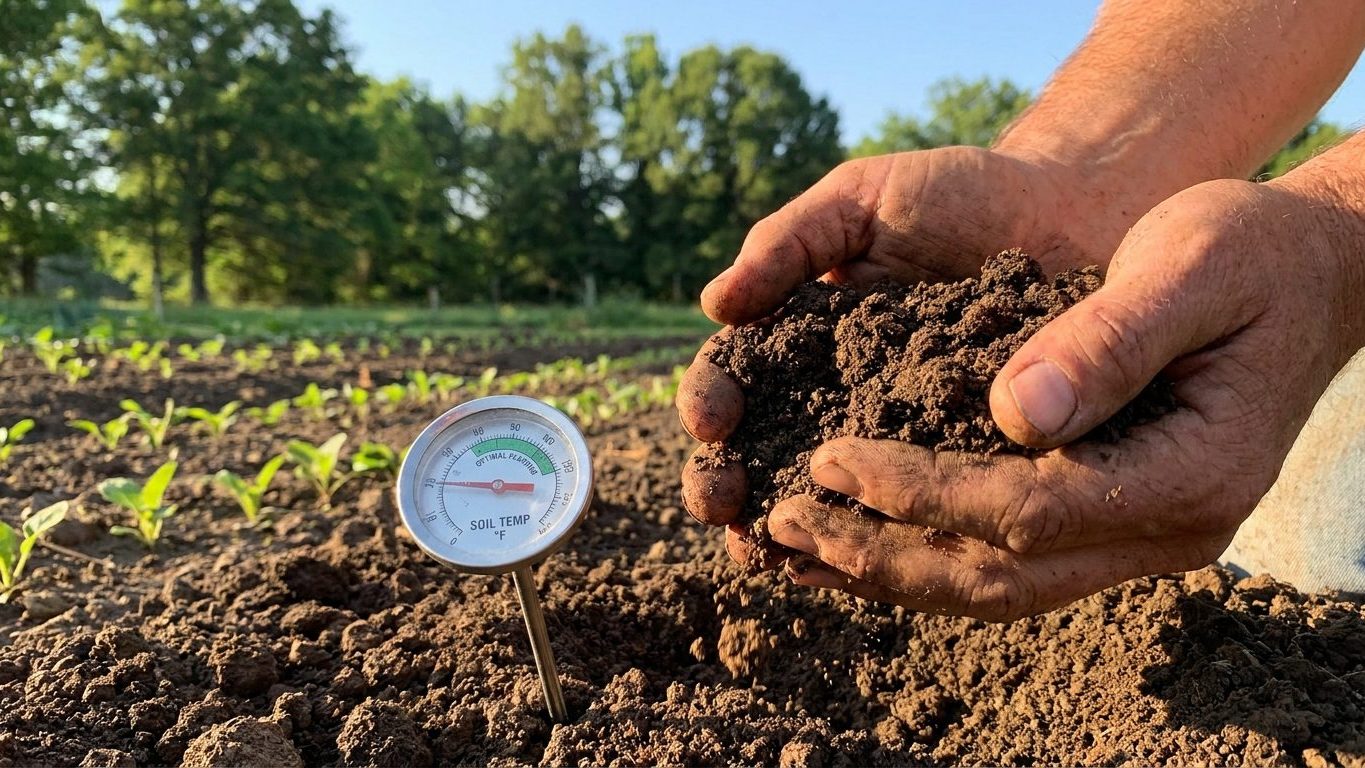
Utah gardeners can grow winter squash successfully in most valley and lowland areas, but the growing window is shorter and the summers drier than…
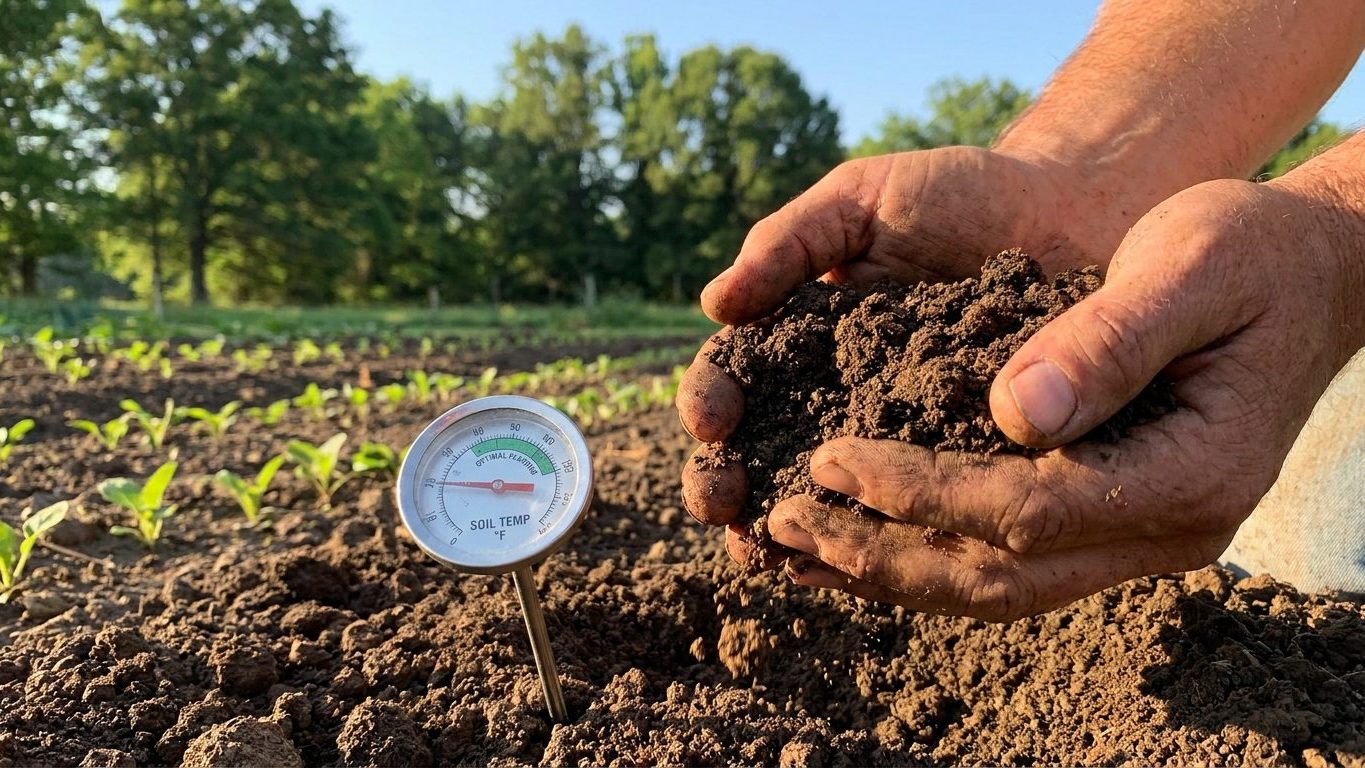
The honest answer is that “Texas” isn’t one climate but four USDA zones stitched together, so the calendar that works in Houston can miss a northern…
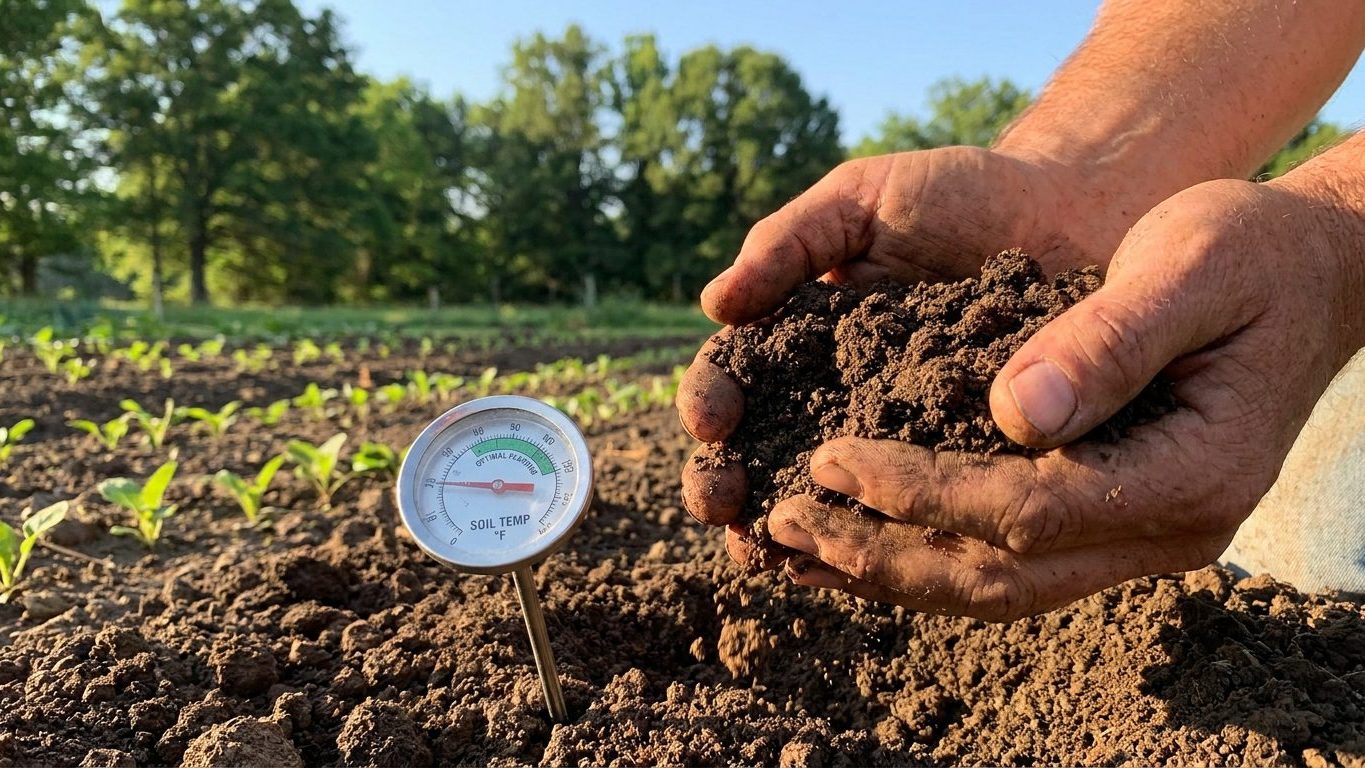
Winter squash needs warm soil and a long, uninterrupted run to maturity, and Tennessee’s climate splits sharply between its western lowlands and its…