Does a Wall in Alberta Need a Vapour Barrier?
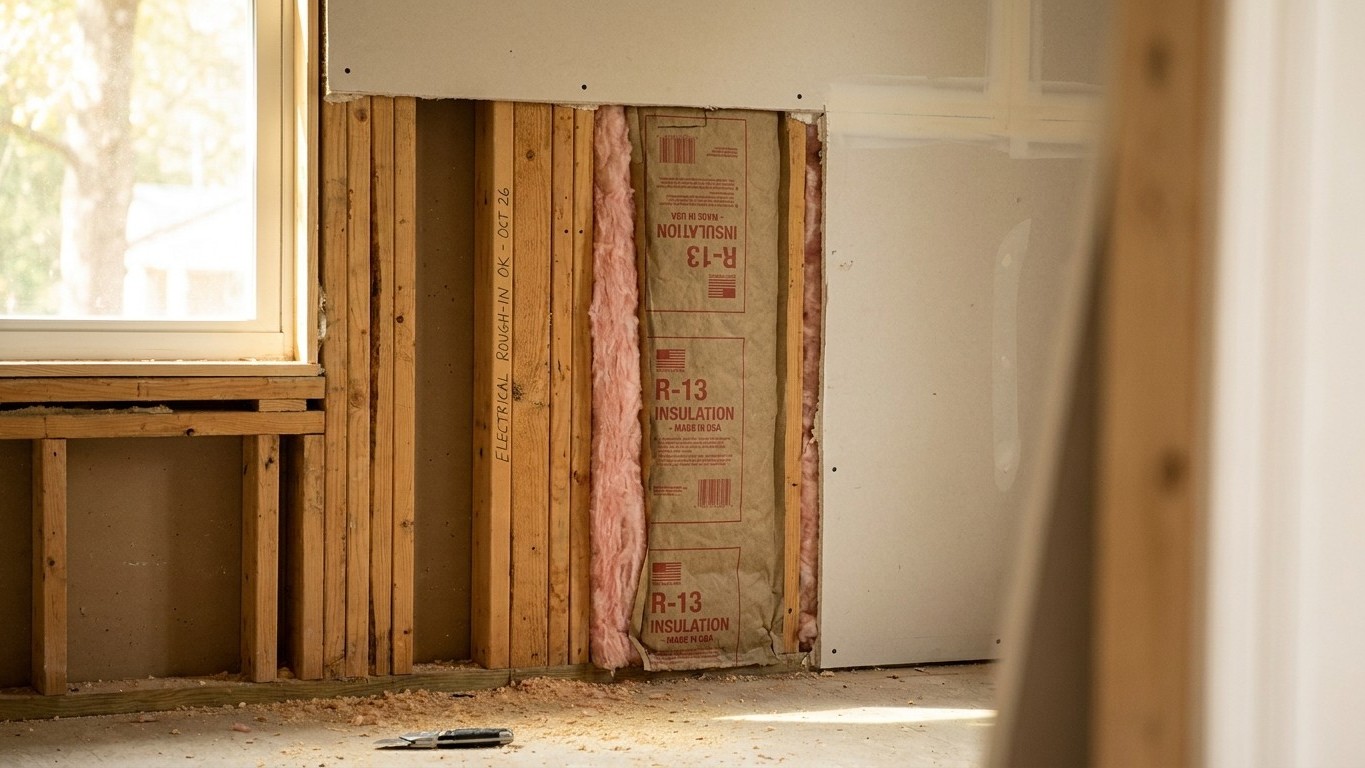
Yes. Under Alberta’s building code, a vapour barrier is required in insulated wall assemblies, and unlike the American model code, that requirement…
Home & garden, state by state
Everything we have worked out for Alberta: what to plant and when, which varieties finish in time, the pests that actually turn up here, and the jobs that pay off month by month. We also cover the rest of the property, from lawns and soil to home care and energy, because a garden rarely stops at the vegetable bed.
The numbers first, because everything else follows from them. Measured at the weather station in Calgary, the last spring freeze falls around May 21 and the first fall freeze falls around September 16, 1,171 growing degree days in the year.
That is little accumulated warmth: tomatoes need a tunnel or a greenhouse here, whatever the frost dates suggest. Garlic does well: 39.1 weeks below 40 °F, comfortably past the six it needs to form a proper head.
Elsewhere on the property in Alberta: the pests that turn up here.
Figures from Environment and Climate Change Canada. A state is not one climate: elevation, a large lake or the coast can move these dates by two weeks either way, so check your own county with the extension service before you spend money.
Yes. Under Alberta’s building code, a vapour barrier is required in insulated wall assemblies, and unlike the American model code, that requirement…
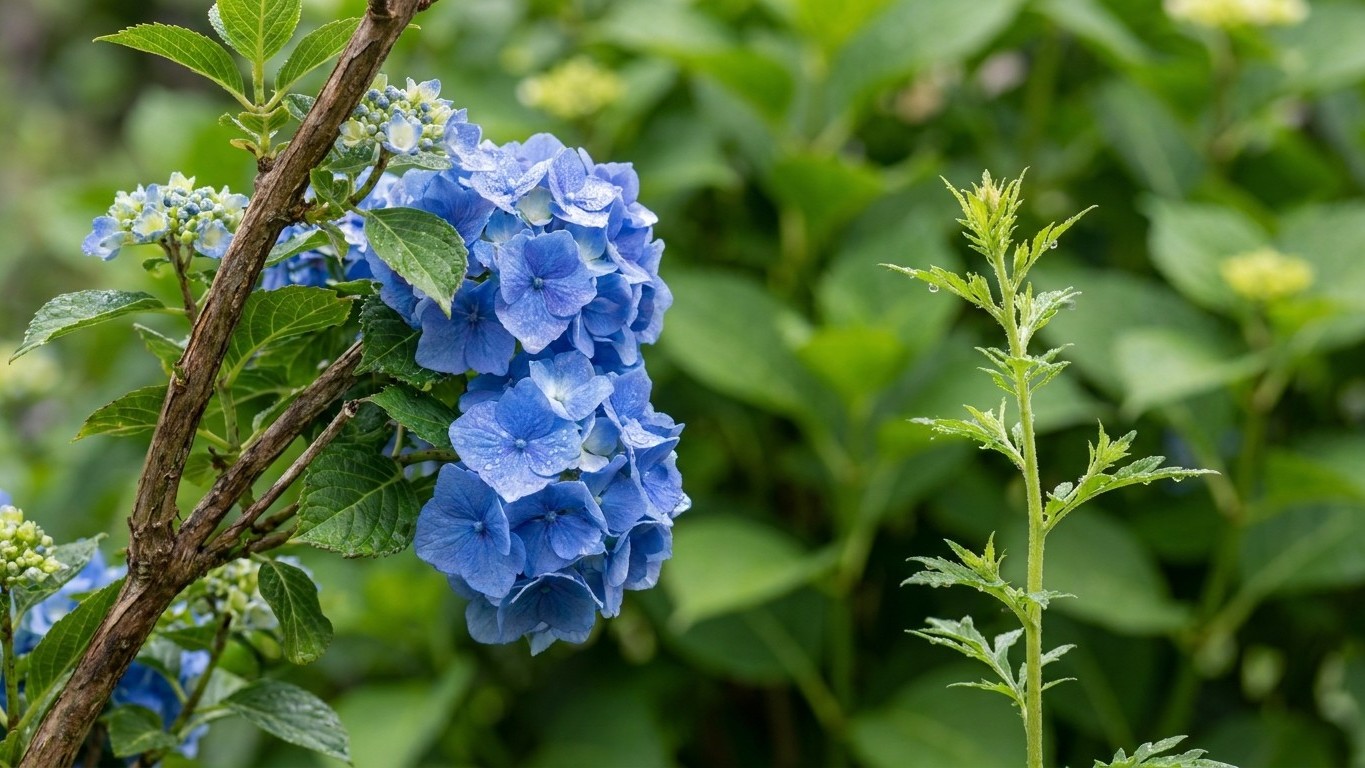
Hydrangeas can grow well in Alberta, but success depends heavily on choosing the right species.
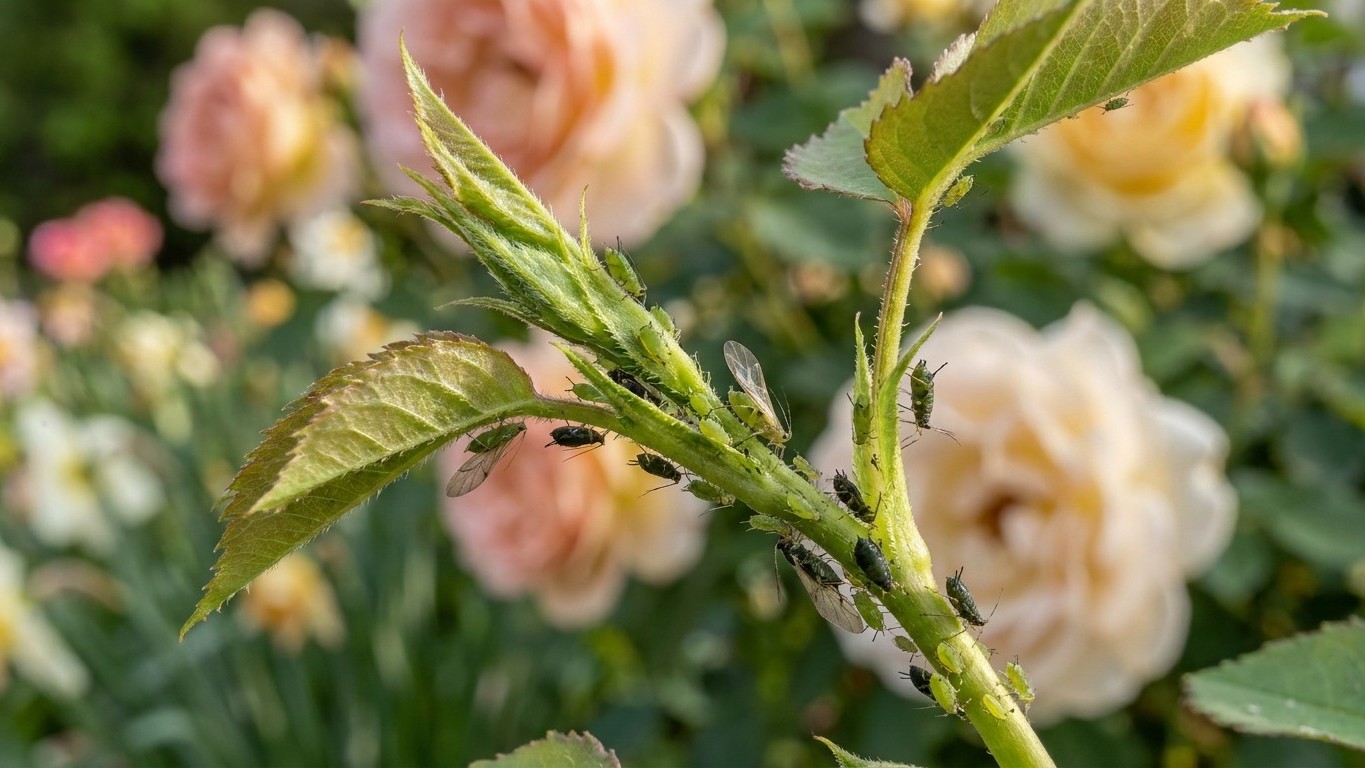
Alberta’s rose season runs on a tight clock: the mean frost-free window is just 117 days, bracketed by a last spring frost that averages May 21 and a…
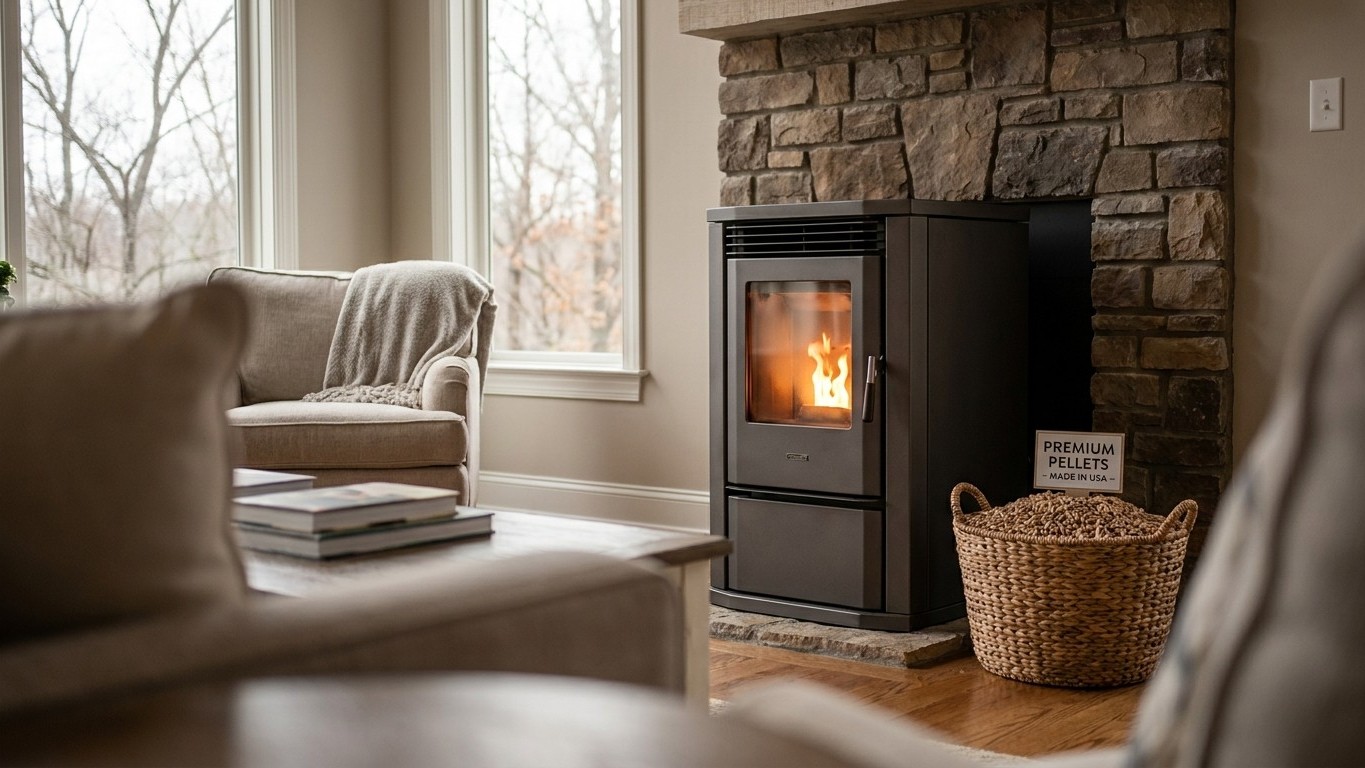
Running a pellet stove in Alberta means planning around a heating season that barely lets up and a home-heating culture built on forced-air furnaces, not…
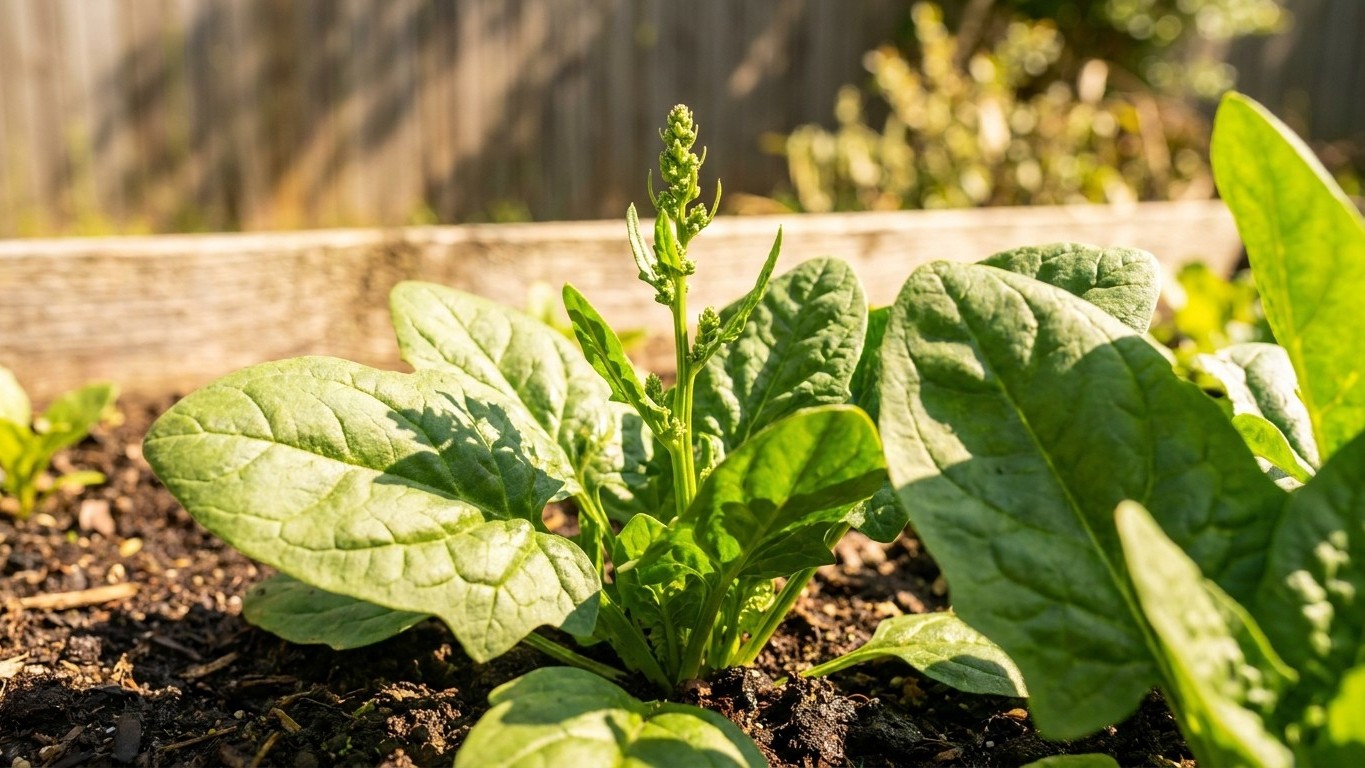
In Alberta gardens, spinach faces two real leaf-eaters documented for this bordering region: grasshoppers and thrips.
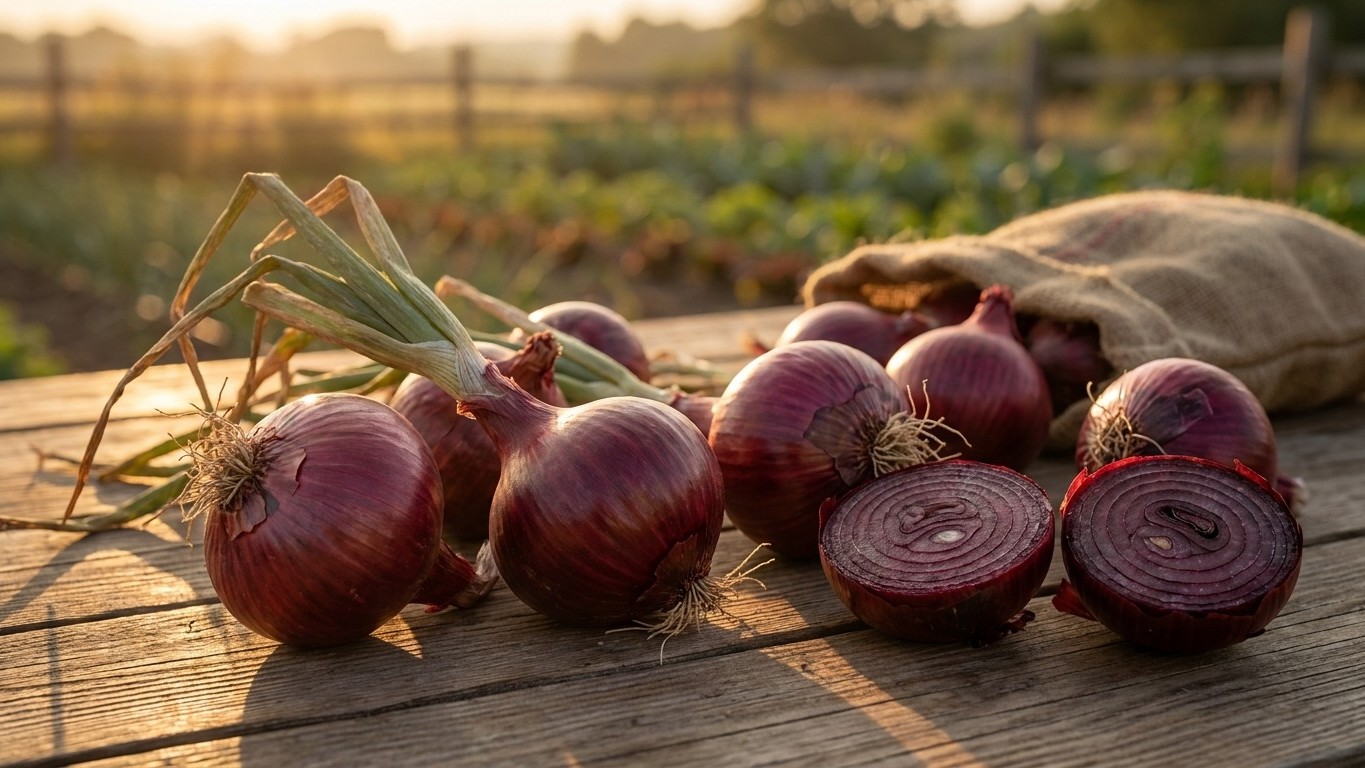
Two insects show up on Alberta onion patches with any regularity: grasshoppers and thrips.
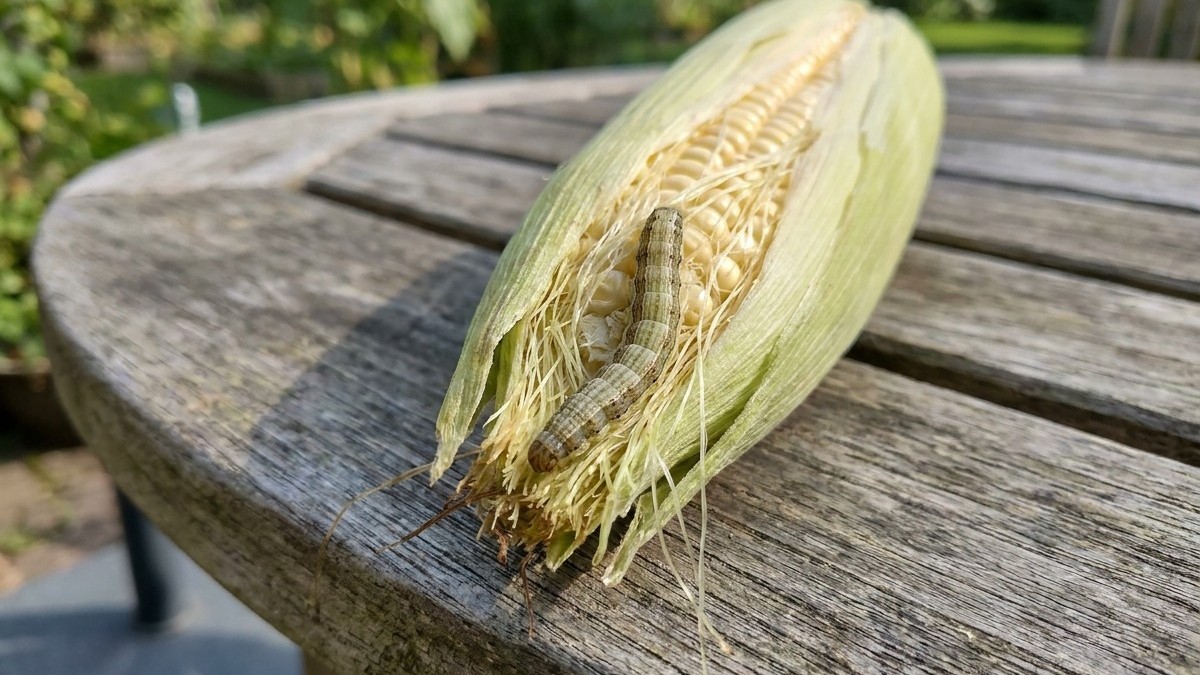
Grasshoppers, brown marmorated stink bugs, and thrips are the insects documented for this region that can actually feed on corn, and each one shows up on…
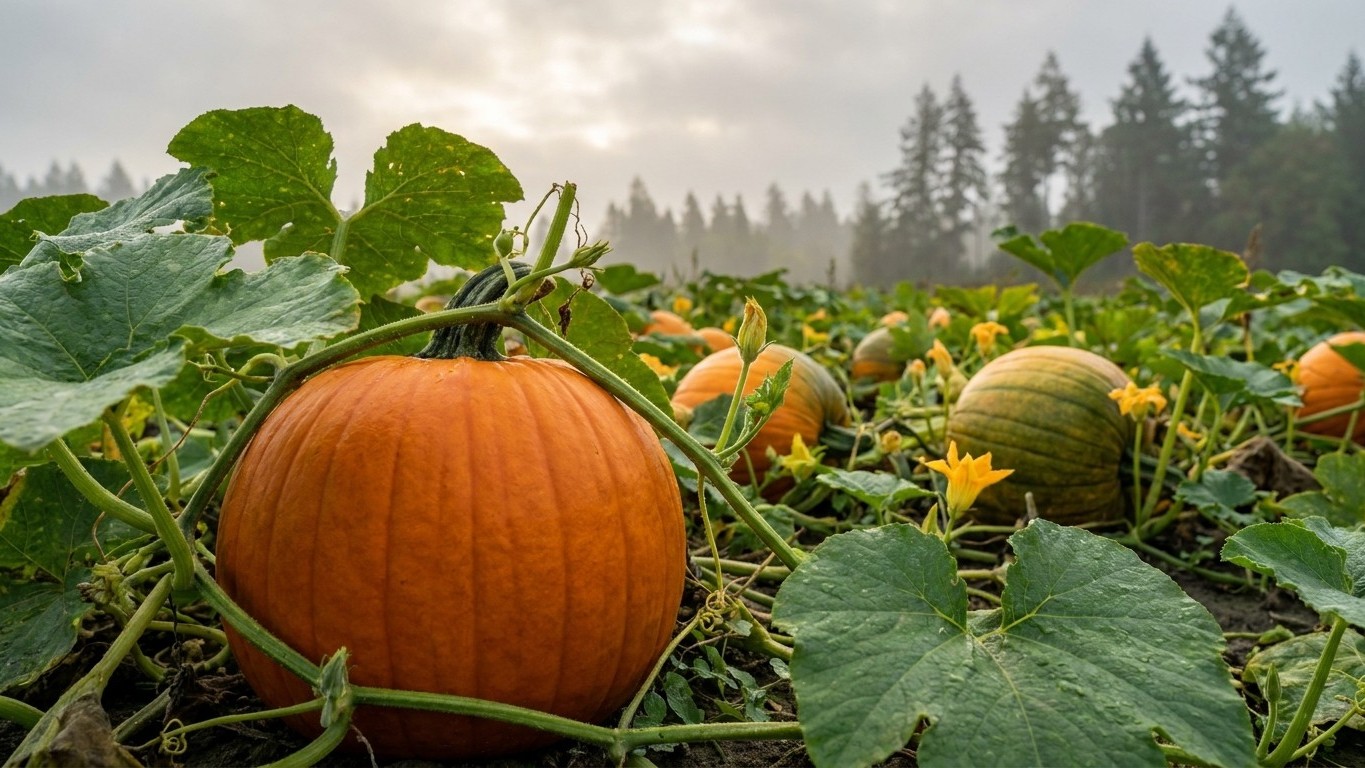
Alberta gardeners lose pumpkin foliage and fruit to a short list of insects, not a long one, and timing decides more than the species does.
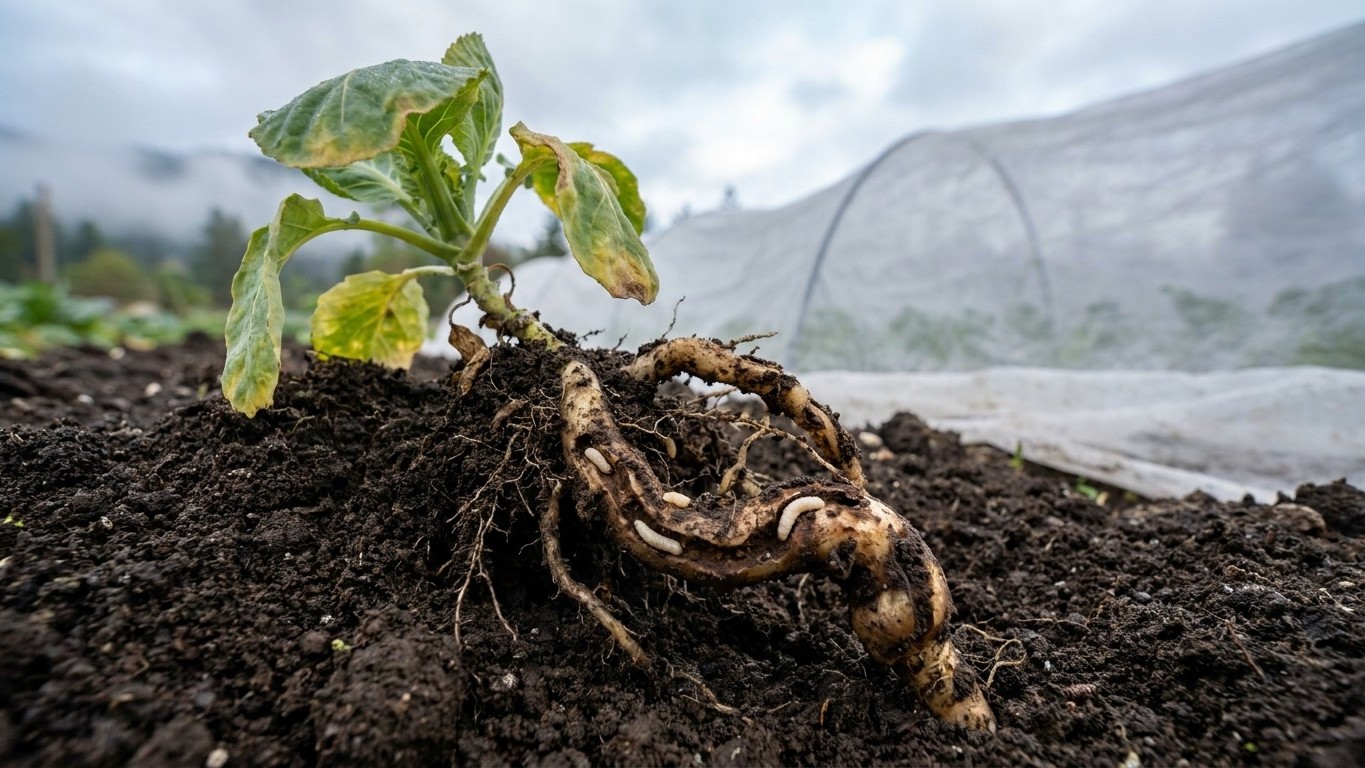
In Alberta gardens, the insects most likely to actually feed on potato are grasshoppers and thrips, with brown marmorated stink bug showing up on…
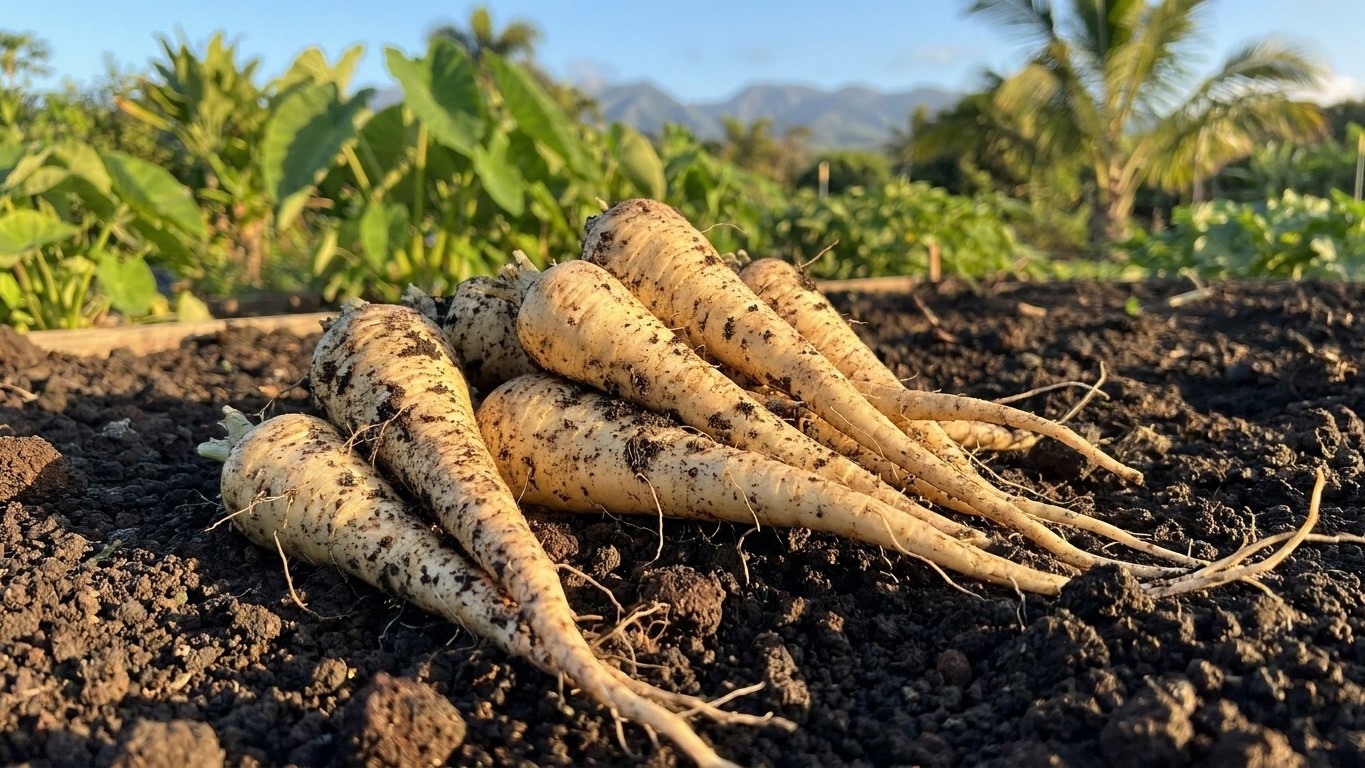
For gardeners in Alberta, parsnip damage almost always traces back to three insects: grasshoppers, thrips, and the brown marmorated stink bug.