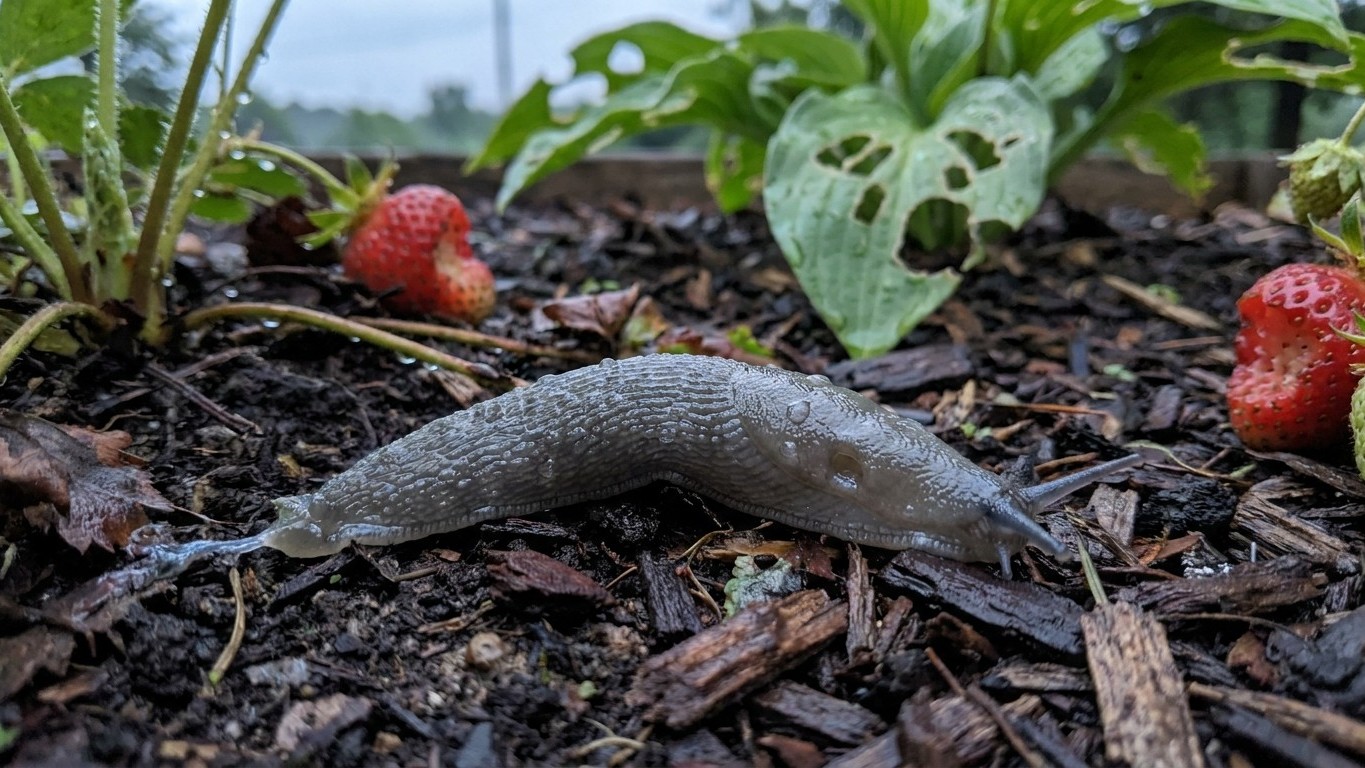

Slugs turn up across Wisconsin from late April through October, with two clear peaks: a spring surge once nighttime temperatures stay above 50°F, and a second wave in September when cooler, wetter conditions return after summer’s dry spell. Between those windows, the state’s humid summers and clay-heavy soils give slugs everything they need to feed on hostas, strawberries, and seedlings well into fall. Stopping them means combining moisture control with physical barriers and targeted baiting, not just one fix.
When Slugs Show Up in Wisconsin

Slug activity tracks soil temperature more than the calendar. Once the ground hits roughly 50°F, usually mid-to-late April in southern Wisconsin and a couple weeks later up near Lake Superior, dormant slugs and their eggs start moving. Milwaukee gardeners typically report the first slime trails by the last week of April. Up in Ashland or Bayfield County, that same activity can lag until mid-May because the lake effect keeps spring soil cooler longer.
Summer brings a lull if July and August turn dry, which they often do in central Wisconsin’s sandier counties. Slugs are mollusks without a hard shell, so they lose moisture fast and simply go dormant under mulch or leaf litter rather than risk dehydration. The moment a rainy stretch hits, though, they’re back within a day or two, which is why gardeners near Madison sometimes describe an “overnight” slug problem after a week of storms.
Fall is the second and often more damaging peak. September and October in Wisconsin bring cooler nights, morning dew, and the tail end of the growing season, exactly the humidity slugs favor. This is when hostas, cabbage, and fall lettuce take the worst hits, right before slugs lay their final egg clusters ahead of winter.
Winter Survival
Adult slugs mostly die off once temperatures drop below freezing for extended periods, but their eggs don’t. Slug eggs overwinter in clusters just under mulch, compost piles, or garden debris, protected enough to survive a typical Wisconsin winter. That’s why a heavy slug year almost always follows a mild, snow-covered winter that insulates the soil rather than a harsh, deep-freeze one.
Why Wisconsin’s Climate Attracts Slugs
Wisconsin checks every box on a slug’s wish list: heavy clay soil in the southern and eastern counties, consistent summer rainfall, and thousands of small lakes and wetlands keeping local humidity elevated. Compare that to a drier state like Colorado, where slug complaints are rare outside irrigated gardens, and the difference is stark.
Mulch makes things worse before it makes things better. Wood chips, straw, and shredded leaves, all popular in Wisconsin vegetable gardens for moisture retention, also create the exact dark, damp microhabitat slugs need during the day. Gardeners who mulch heavily around hostas or strawberries are often unknowingly building slug shelters a few inches from the plants they’re trying to protect.
Urban and suburban lots compound the issue. Irrigation systems that run in the evening, a common setup in Dane and Waukesha County subdivisions, keep lawns and garden beds moist through the night, which is precisely when slugs feed. Switching irrigation to early morning instead of evening removes a big chunk of that overnight moisture window.
Common Slug Species Found in Wisconsin
Most home gardeners are dealing with one of three species, and knowing which one helps predict the damage pattern:
- Gray garden slug (Deroceras reticulatum): the most widespread species statewide, small (under an inch), light gray to tan, and responsible for most seedling and lettuce damage.
- Marsh slug (Deroceras laeve): thrives near ponds, drainage ditches, and low-lying yards common in Wisconsin’s glacial terrain; tends to favor decaying plant matter over healthy leaves.
- Banded slug (Limax spp.): larger, with visible dark bands, more often found in basements and crawl spaces than open garden beds, especially in older homes with stone foundations.
The banded slug is the one homeowners most often find indoors, usually after it’s followed a moisture trail through a foundation crack. The other two stay outdoors almost exclusively.
What Actually Stops Slugs in a Wisconsin Yard
Cutting off moisture does more long-term work than any single trap or bait. Watering garden beds in the early morning instead of the evening lets the soil surface dry out by nightfall, removing the humid conditions slugs need to feed safely. Pulling mulch back a few inches from plant stems also closes off daytime hiding spots without sacrificing the moisture benefits mulch provides further out in the bed.
Physical barriers work well on a smaller scale. Copper tape wrapped around raised bed edges or pot rims creates a mild electrical reaction when slug slime touches it, which most slugs simply won’t cross. Diatomaceous earth, a fine powder made from fossilized algae, dries out a slug’s underside on contact, but it needs reapplying after every rain, which in a wet Wisconsin summer can mean weekly.
Beer traps remain a low-cost classic for a reason. A shallow container sunk to ground level and filled with a couple inches of beer draws slugs in overnight; they drown by morning. It’s not glamorous, but it’s cheap, chemical-free, and works especially well in a contained raised bed where slug numbers are already moderate.
Iron Phosphate Baits vs. Metaldehyde
For heavier infestations, iron phosphate baits are the safer commercial option. They’re approved for use around vegetable gardens, break down into fertilizer components, and pose far less risk to pets and wildlife than older metaldehyde-based slug pellets, which several states have restricted due to toxicity to dogs. Iron phosphate baits work by disrupting the slug’s calcium metabolism, causing it to stop feeding within a day and die within a week, typically underground rather than in plain sight.
Scatter bait pellets thinly around the base of vulnerable plants rather than in one concentrated pile, and reapply after heavy rain washes granules away, which in Wisconsin’s storm-prone summer months can mean every one to two weeks during peak activity.
Protecting Hostas and Other High-Risk Plants
Hostas are practically slug magnets in Wisconsin landscaping, given how many yards feature them under shade trees where soil stays consistently damp. Thick-leaved hosta varieties like ‘Elegans’ or ‘Sum and Substance’ resist slug feeding better than thin-leaved cultivars, simply because slugs struggle to rasp through tougher tissue. Gardeners replanting a slug-damaged bed can lean toward those thicker varieties rather than fighting the problem plant by plant every season.
Strawberry beds face a different kind of risk: slugs often go for the ripening fruit itself rather than the leaves, leaving ragged holes that invite rot. Elevating strawberries in raised beds or grow bags, combined with copper tape around the bed perimeter, cuts losses significantly compared to ground-level plantings.
Slugs Indoors: Basements and Crawl Spaces
Older Wisconsin homes with stone or block foundations, especially in Milwaukee’s older neighborhoods and rural farmhouses built before modern sealing standards, sometimes see slugs work their way indoors through foundation gaps during especially wet stretches. They’re chasing moisture, not food, since basements offer little for them to eat.
Sealing visible foundation cracks with exterior-grade caulk and running a dehumidifier to keep basement humidity below 50% removes the conditions slugs need to survive indoors. A slug found inside almost always means there’s a moisture entry point worth tracking down, since they can’t travel far from a damp source before drying out.
Slug activity in any given Wisconsin season ultimately comes down to how much rain falls in a two-week stretch more than anything else. A dry August after a wet June can flip a bad slug year into a mild one almost overnight, which is why the same garden bed can look completely different from one summer to the next with no change in how it’s managed.
Related guides
- Slugs in Michigan: When It Shows Up and What Stops It
- Slugs in Yukon: When It Shows Up and What Stops It
- Slugs in Alaska: When It Shows Up and What Stops It
- Potato leafhopper in Wisconsin
- Seedcorn maggot in Wisconsin
- Cutworms in Wisconsin
- Slugs in Northwest Territories: When It Shows Up and What Stops It