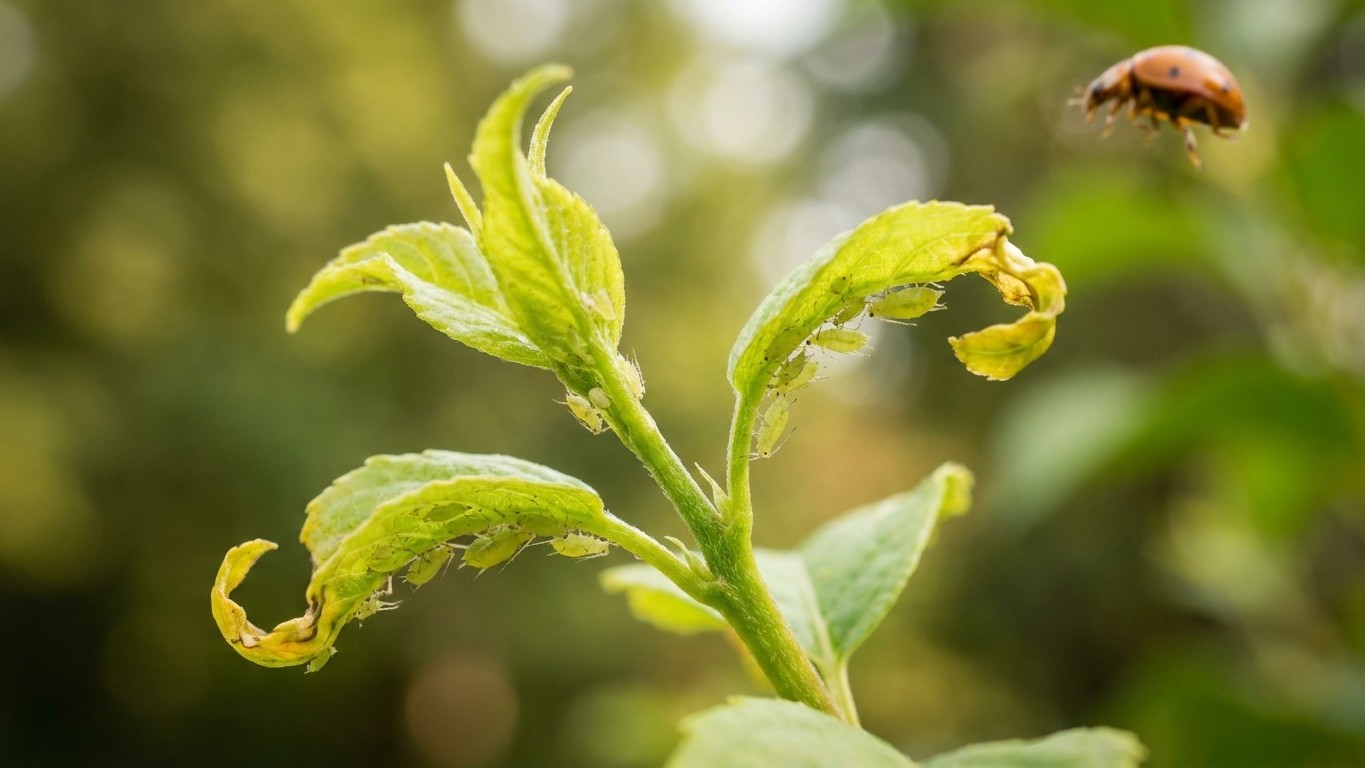

Aphids show up in Alabama as early as February during warm spells and stay active through November in most of the state, thanks to a growing season that runs nine to ten months. What actually stops them isn’t a single spray but a combination of natural predators, timely pruning, and knowing which aphid species targets which plant. In Alabama’s humid, mild climate, aphids rarely go through a true dormant period, which means control has to be ongoing rather than a one-time fix.
Alabama’s Climate Keeps Aphids on a Longer Clock

Most of Alabama sits in USDA Hardiness Zones 7b through 8b, with the Gulf Coast counties nudging into zone 9a. That warmth matters because aphid reproduction slows dramatically below 39°F but keeps humming along anywhere temperatures stay in the 60s and 70s, a range Alabama holds onto for most of the year outside a handful of hard freezes in December and January.
In north Alabama, around Huntsville and the Tennessee Valley, aphid populations typically dip during the coldest weeks but rebound fast once late February brings a stretch of 60-degree days. Farther south, in Mobile and Baldwin counties, aphids can persist through a mild winter with barely a pause, especially on evergreen shrubs like camellias and hollies that give them year-round cover.
This extended activity window is why Alabama gardeners often report aphids twice in one season: a spring flush on tender new growth, then a second wave in fall when cooler nights trigger another round of soft, sappy shoots on crape myrtles, roses, and vegetable transplants.
The Overwintering Piece Most People Miss
Aphid eggs laid in fall on woody plants like roses and fruit trees can survive Alabama’s winter chill just fine, hatching the moment temperatures warm in March. That’s a different survival strategy than the wingless females that overwinter directly on evergreen hosts in the southern part of the state. Either way, the practical result is the same: by the time forsythia blooms, aphids are already established and feeding.
Which Aphids Alabama Deals With, and On What
Alabama’s mix of row crops, pecan orchards, and suburban landscaping means several aphid species matter here, each with its own preferred host and timing.
Cotton aphid (also called melon aphid) is the one Alabama’s row-crop farmers watch closest. It attacks cotton, soybeans, and cucurbits like watermelon and squash, and it’s notorious for exploding in numbers right after certain insecticide applications wipe out its natural enemies. The Alabama Cooperative Extension System tracks cotton aphid outbreaks closely because untreated infestations can cause sticky “honeydew” contamination that downgrades cotton lint quality at the gin.
Pecan trees, a signature Alabama crop especially in the Wiregrass and Black Belt regions, host both the yellow pecan aphid and the black-margined aphid. These show up from May through September and feed on the undersides of leaves, and heavy infestations can trigger premature leaf drop, which stresses the tree going into nut-fill season.
In home landscapes, green peach aphid and the woolly aphid group are the most common complaints. Green peach aphid hits tomatoes, peppers, and ornamentals in spring vegetable gardens, while woolly aphids show up as white, cottony masses on crape myrtles, hackberries, and apple trees, often getting mistaken for a fungal problem before anyone realizes it’s an insect.
Rose growers across the state deal with a fourth player, the rose aphid, which clusters on new buds in April and May and can distort blooms before they even open.
What Actually Stops Aphids in Alabama Conditions
Natural predators do most of the heavy lifting when they’re allowed to work. Lady beetle larvae, which look nothing like the familiar adult beetle and more like tiny black-and-orange alligators, can eat dozens of aphids a day. Lacewing larvae and hoverfly larvae do similar damage to aphid colonies. The catch is that broad-spectrum insecticides kill these predators along with the aphids, which is exactly why cotton aphid outbreaks often follow a pesticide application aimed at a different pest.
For home gardens and landscape plants, a strong blast of water from the hose knocks aphids off stems and leaves without harming beneficial insects, and it’s often enough to keep populations under the damage threshold on ornamentals. This works best done in the morning so leaves dry before evening, reducing fungal disease risk that comes with wet foliage overnight, a real concern given Alabama’s humidity.
Insecticidal soap and horticultural oil remain the go-to treatments when water alone isn’t cutting it. Both work by contact, so thorough coverage on the undersides of leaves matters more than the product itself. Alabama’s heat adds a wrinkle: horticultural oil applied when temperatures exceed 90°F, common from June through August, can burn foliage, so Extension guidance points toward early morning or evening applications during summer months.
Nitrogen fertilizer plays a bigger role than most people expect. Aphids are drawn to the soft, nitrogen-rich growth that heavy fertilization produces. Alabama lawns and gardens pushed hard with fast-release nitrogen in spring tend to see worse aphid pressure than those on a moderate feeding schedule, particularly on crape myrtles and roses.
The Ant Connection Worth Watching
Ants farm aphids for the sweet honeydew they excrete, and in exchange, ants protect aphid colonies from predators like lady beetles. Alabama’s warm climate supports large ant populations, including fire ants, which means an ant trail running up a crape myrtle trunk is often a tip-off that an aphid colony is thriving higher up. Controlling ant access, sometimes with a sticky barrier on the trunk, can indirectly reduce aphid survival by letting predators back in.
Timing Treatment to Alabama’s Growing Calendar
Late February through April is the highest-risk window for ornamentals and early vegetable transplants across most of the state, as overwintered eggs hatch and new spring growth provides ideal feeding sites. Checking new growth on roses, crape myrtles, and pepper or tomato transplants every few days during this stretch catches colonies before they multiply into the hundreds.
Cotton and soybean growers in the Black Belt and Wiregrass regions face the sharpest risk window from June through August, when cotton aphid populations can spike fast in fields where earlier insecticide use removed natural predators. The Alabama Cooperative Extension System’s row crop scouting reports track these outbreaks and are a useful resource for growers timing any intervention.
Pecan aphids follow their own calendar tied to nut development, with populations building through summer and peaking in August, right when trees need healthy foliage to fill nuts before harvest in October and November.
A second, smaller wave hits most plant types in September and October as nights cool and plants push a final flush of tender growth before dormancy, though this fall wave rarely reaches spring-level intensity because natural predator populations are typically well established by then.
When Aphid Damage Crosses the Line
Light aphid feeding causes cosmetic curling on leaves and rarely threatens an established plant’s health. The real trouble starts with the honeydew aphids leave behind, which coats leaves in a sticky residue that supports sooty mold, a black fungal growth that blocks sunlight from reaching leaf surfaces. On camellias and gardenias, both landscape staples in Alabama, sooty mold buildup is often the first visible sign homeowners notice, even before they spot the aphids themselves.
On young transplants and stressed plants, heavy aphid feeding can stunt growth or, in the case of some vegetable crops, transmit plant viruses as aphids move from an infected plant to a healthy one while feeding. This matters most for Alabama’s cucurbit growers, since cucumber mosaic virus spreads this way and can wipe out a squash or cucumber planting mid-season.
For most home landscapes, though, aphids are a manageable nuisance rather than a plant-killer, especially when predator populations are given room to establish early in the season rather than getting knocked back by unnecessary spraying.
Related guides
- Aphids in Tennessee: When It Shows Up and What Stops It
- Aphids in Georgia: When It Shows Up and What Stops It
- Aphids in Alaska: When It Shows Up and What Stops It
- Aphids in Arizona: When It Shows Up and What Stops It
- Aphids in Arkansas: When It Shows Up and What Stops It
- Aphids in Northwest Territories: When It Shows Up and What Stops It